
What is IoT (Internet of Things)?
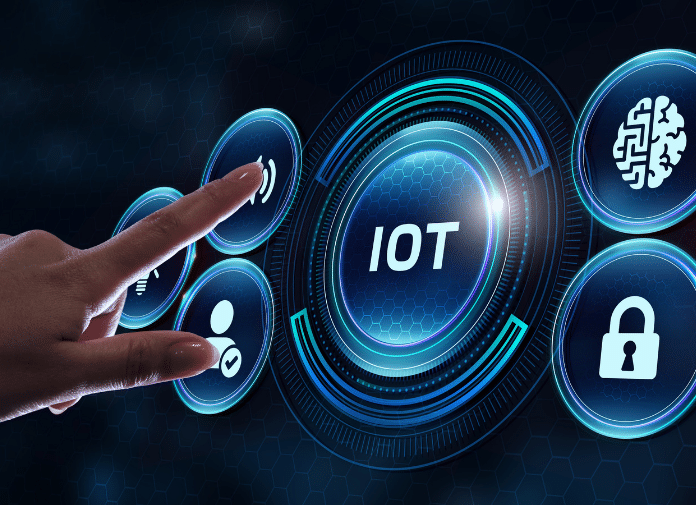
The Internet of Things or IoT — this is one of modern reality’s most revolutionary technological innovations. It is a network of physical devices, vehicles, buildings and other objects embedded with electronics to collect and communicate data. These devices are interconnected with embedded sensors, software and communication technologies to communicate among themselves as well as centralized systems. IoT is transforming human life and work places which range from smart home devices wearables, fitness tracks, industrial machines and connected cars.
The IoT is ground zero for a more connected world, where devices can talk to one another without continual human involvement. This data flew also allow organizations and individuals to optimize various processes, reduce costs as well make better decisions based on the analysis of real-time information.
How IoT Works
The major components of an IoT system are sensors, connectivity, data processing and a user interface. So Sensors act as a data-collecting part – it collects the information from your environment like temperature, movement, pressure & location. The data is sent via internet connections such as wifi, Bluetooth, cellular networks or other protocols.
When this data reaches a cloud platform or any centralized server, it is processed and analyzed. Advanced analytics and AI can make sense of this data: they can find patterns, notice unusual behaviour, and produce actionable insights. This data is accessible to users using mobile apps, dashboards or web interfaces so that the users can remotely monitor and control connected devices.
Take smart thermostat data as example, they get temperature information from out of a house, utilize it with regards to how once in a while you will most likely be back and other utilization designs and can naturally change your setting for less energy wastage alongside more prominent comfort.
Use of IoT in Smart Home
One of the most visible applications of IoT In-home connected devices (smart lights, smart thermostat, security camera, door lock and voice assistant) provide ease of use for consumers as well as control over their home. These devices can be controlled remotely through the use of smartphones and voice commands.
Smart home technology improves energy efficiency through intelligent automation of lighting and heating based on occupancy and established user preferences. IoT-based security systems are capable of detecting unusual activity within the vicinity and can shoot an alert in seconds, therefore allowing homeowners to protect their property even when they are away.
With the rapid evolution of IoT, smart homes are becoming similarly intelligent and more responsive to your needs.
IoT in Healthcare
From better patient care to improved operational efficiency, IoT has been transforming the healthcare industry. Wearables like fitness bands and smartwatches real-time monitor heart rate, physical activity, sleep patterns, and other health metrics. Those devices provide valuable information that enable the educated individual to lead healthier lives.
Connected medical devices are also used by healthcare providers, mainly for remote patient monitoring. They also allow patients with chronic conditions to regularly pass information to doctors without making trips to the hospital. Such preventive treatment is focused on improving the quality of care, decreasing the cost of healthcare and reporting on potential health issues at an early stage.
We would like to note that the widespread use of IoT-powered healthcare solutions is especially important in order to support telemedicine and remote care services.
Industrial and Business Applications
IoT is at the core of manufacturing, logistics and business process. For example, connected sensors can be used in an industrial environment to monitor the performance of machines and predict when maintenance will be needed before equipment failures occur. This approach, called predictive maintenance, allows companies to minimize downtime and accelerate productivity.
IoT technologies are also useful for supply chain management. Real-time applications where businesses are able to track inventory, monitor the conditions of shipment, optimizing transportation routes. IoT devices help retailers to create smart shelves, automate inventory systems, and buy personalized shopping recommendation; ultimately offering an enhanced customer experience.
These capabilities permit the company to run its operations more effectively with lowering operational costs.
The Future of IoT
IoT, which will always keep on incrementing its arrangements with the progression of times and need, As 5G innovation fosters more brilliant gadgets in each part of life, cloud innovations further expand involvement in IoT articles and new advancements like AI/ML obtain greater fish to scale back. Smart cities is likely to utilize IoT for managing traffic, waste collection, public safety and conserving energy. Connected vehicles that improve road safety and transportation by communicating with infrastructure and other vehicles.
Though there are may advantages of IoT, but it also have challenges related to cyber attacks, privacy and data management. Organizations need to have strengthened security in place to safeguard connected devices, user data and sensitive information.
With the constantly evolving technology world, IoT can become quite a milieu where intelligent environments evolve, efficiency expands and life becomes smoother. One of the fundamental building blocks that will integrate both the physical and digital worlds and drive innovation for industries and communities around the globe.