
Introduction
To do this, digital transformation is driving many new technologies that enable businesses to increase efficiency, reduce costs, and make better decisions. The idea of digital twins is one of the most profound innovations. Simply put, a digital twin is the virtual representation of a physical object (a system, process or environment) updated at any time in real-time through data. Digital twins can also be some mix of connected technologies from the Internet of Things (IoT) to artificial intelligence (AI), cloud computing, and data analytics combining these all together; enabling an enterprise to track, replicate, and simulate real-world operations without impacting physical assets. With industries becoming more data-driven each passing day, digital twins are turning out to be one of the best tools for improving productivity and innovation.
What Is a Digital Twin?
Digital twin is basically a digital copy of a physical entity. It retrieves data from sensors on actual equipment or systems and mimics their behavior in a virtual environment. This model gives better visibility into performance, condition, and possible future state. Unlike traditional simulations, which produce static models of physical objects or projects, digital twins receive real-time information regularly to inform their models, making them dynamic and much more accurate.
A digital twin of a production machine could be created by a manufacturing organisation for instance. The sensors fitted on the machine simply feed temperature, pressure, vibration, and operating speed data. Using this information, the digital twin analyses it and helps engineers by identifying potential issues before they turn serious. This forecast will greatly enhance operational efficiency and reduce the periods of idleness.
How Digital Twins Work
Digital twins operate by leveraging a combination of technologies. Physical assets that are equipped with sensors in order to gather data and transferred to cloud-based solutions. It is then processed through analytics and AI algorithms, to build a software-based digital twin in real-time. This model reflects the current state of physical asset being monitored and can also simulate future states.
Constant data availability allows organizations to track performance, forecast maintenance needs, run tests in operational processes, and elevate decision-making. The digital twin font offers a unique opportunity for businesses to experiment with various strategies in the virtual realm that can be tested out before full-scale implementation.
Digital Twins in Manufacturing
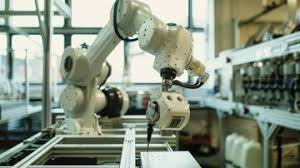
Digital twins have been one of the most contributing technologies towards advancement in multiple areas and manufacturing is among them. These digital twins are used by manufacturers to monitor machinery, production lines, and even entire factories. Big data enables businesses to analyze equipment performance in real-time, pinpoint inefficiencies, anticipate failures, and plan maintenance discreetly before costly breakdowns happen.
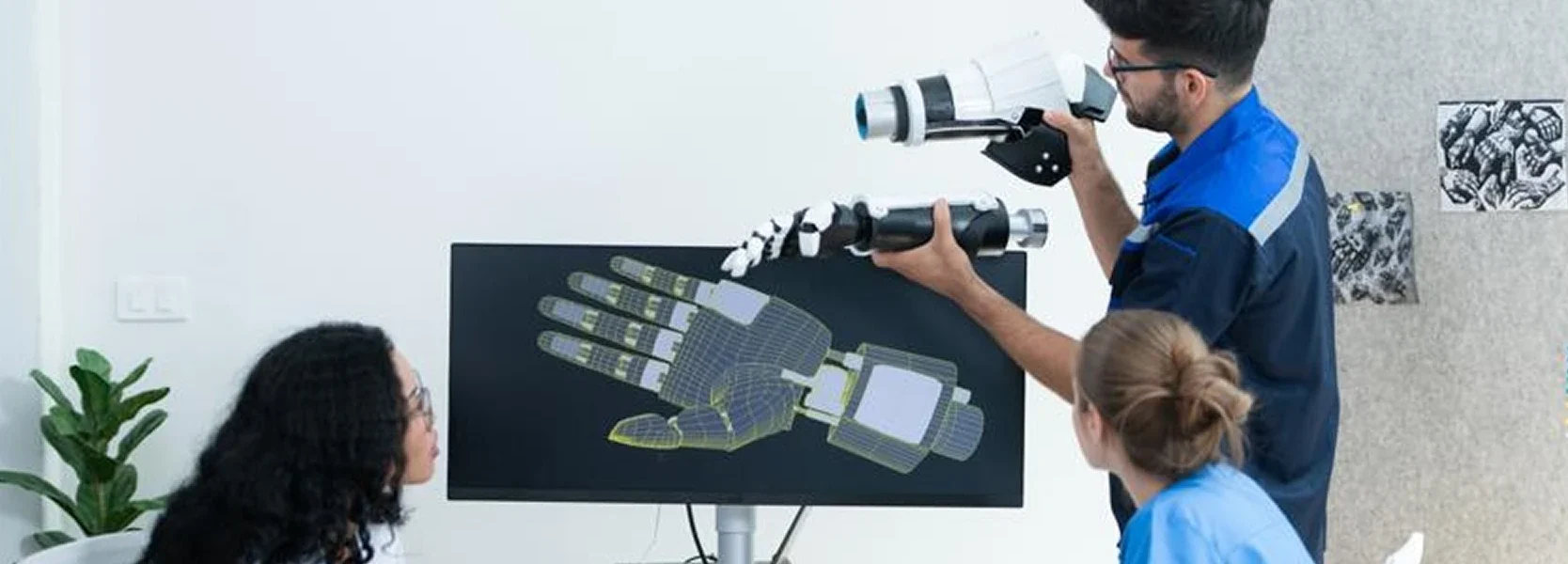
Digital twins also enable engineers to run test designs in a virtual environment before moving onto physical production. It helps to reduce development costs, minimize time-to-market, and quality of the product. Consequently, manufacturers become more productive while reducing both waste and operation interruptions.
Applications in Healthcare
Doctors closely mirror living systems through the digital sampraday to enhance outcomes in people-related processes. These applications enable the creation of digital twins for medical devices, systems or even individual patients. Personalization based on patient data such as medical history, genetic information and real-time health metrics enable healthcare providers to craft tailor-made treatment plans.
Digital twin models allow doctors to see how a patient is likely to react to certain treatments or medications prior to administering the treatment. This reduces risks, enhances outcomes, and facilitates more accurate health care decisions. Hospitals can also make use of digital twins to do operational efficiency and resource allocation.
Smart Cities and Infrastructure
Smart citiesare being built with the help of digital twins. Urbanists and city planners rely on digital twins to examine transportation networks, utilities, buildings and public infrastructure. These digital twins allow authorities to monitor real-time traffic flow, energy consumption, and environmental conditions.
Cities analyze this data to help improve urban planning, reduce congestion, enhance public safety and promote efficient use of resources. Digital twins also help in preparing for natural disasters, allowing simulations of emergency situations so that officials can formulate a response plan.
Digital Twins in Energy and Utilities
A digital twin can be used for utility networks, renewable energy systems and even whole power plants by an energy company in order to manage them efficiently. Monitoring, identifying performance issues and optimization of energy generation operators in real time. Digital twins can prove useful for wind farms, solar and electrical grids as well.
It gives the example of predictive maintenance, which has undeniable importance in an energy sector where equipment failures can cost millions. They enable earlier identification of problems to improve reliability, manage maintenance costs and lower resource consumption as organizations work toward sustainability goals.
Benefits and Future Potential
Main benefits of digital twin digital twins offer organizations several competitive advantages, including increased operational efficiency, reduced downtime, enhanced decision making, better quality products and lower maintenance costs. Virtual testing and simulations minimize risk while providing organizations with deeper understanding of their assets and processes.
Digital twins are going to be much more complex as AI, IOT and cloud technology evolve. It would find uses in autonomous systems, advanced healthcare solution and super intelligent smart cities. Companies who use digital twin technology today are best positioned to continue competing in an ever more digital world.
Conclusion
Digital twins are revolutionizing asset, process and system management across organizations. By making real-time virtual representations of physical things, businesses can improve their precision in monitoring performance predicting outcomes and optimizing operations. Digital twins are providing tangible benefits across a broad range of business sectors from manufacturing and healthcare up to energy management and smart cities. As technology evolves, their contribution is poised to extend even further, featuring digital twins as a fundamental building block of future innovation and digital transformation.