Introduction
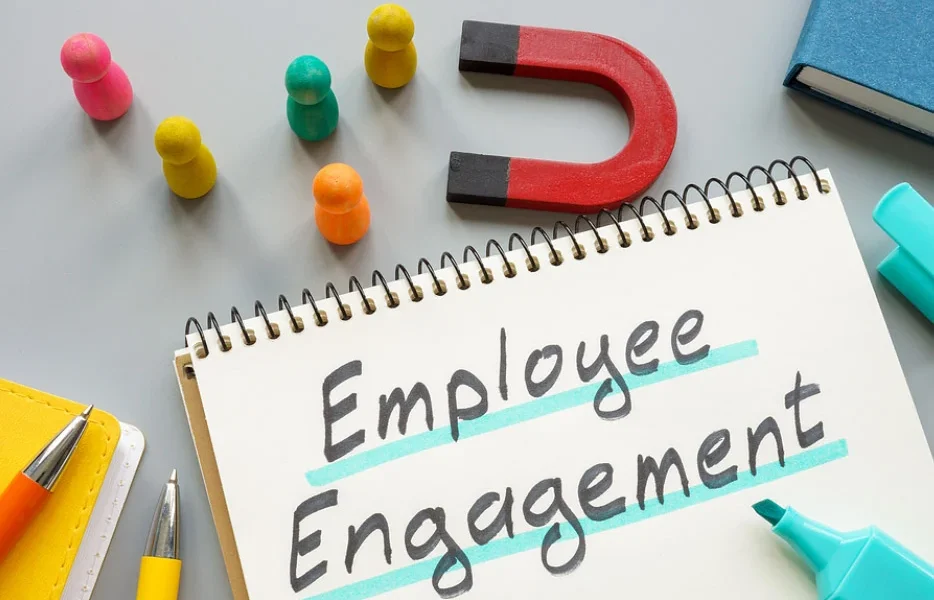
Employee engagement shapes how people focus, solve problems, and support shared goals. Productive workplaces rarely depend on pressure alone. They grow through trust, clarity, and fair expectations. Engaged staff usually care more about quality, timing, and service. Leaders who study behavior at work often find the same pattern. People perform better when they feel heard, prepared, and respected. Strong habits, regular feedback, and clear purpose create that environment over time.
Link Engagement to Mental Clarity
Workplace output improves when leaders notice how attention, stress, and memory affect daily effort. When teams understand how mental strain changes behavior, managers can respond with clearer priorities, fairer pacing, and support that helps people stay effective without feeling overwhelmed.
Set Weekly Priorities
Clear goals reduce wasted effort and mixed signals. Each team should know the week’s top tasks, why they matter, and what success looks like. Short written priorities keep everyone aligned. Managers can review progress midweek, adjust workloads, and remove blockers before delays spread. That simple rhythm keeps attention on useful work.
Make Feedback Routine
Frequent feedback helps people improve before small issues become larger problems. Annual reviews alone rarely change behavior. Short conversations work better. Managers should discuss wins, concerns, and next steps in plain language. Direct comments save time and reduce guesswork. Balanced input also shows that leadership notices effort, not just mistakes.
Give Managers Better Questions
Strong supervisors ask questions that open dialogue. Useful prompts include what slowed progress, what support is missing, and what task feels unclear. Those questions reveal friction early. Staff members often share better ideas when they feel safe speaking honestly. Better questions lead to smarter fixes, which helps output rise without adding pressure.
Recognize Specific Effort
General praise feels pleasant, but detailed recognition drives stronger results. People respond better when leaders name the action, outcome, and value. A comment about solving a client issue quickly means more than vague approval. Specific recognition teaches standards through example. It also encourages peers to repeat helpful behaviors across the team.
Reduce Friction in Daily Work
Productivity falls when people waste energy on slow approvals, scattered tools, or unclear handoffs. Leaders should map routine tasks and remove extra steps. Small process fixes can save hours each month. Shared templates, simple checklists, and cleaner meeting agendas often help. Less friction gives employees more space for meaningful effort.
Support Energy, Not Just Hours
Longer hours do not always produce better results. Focus and stamina matter more. Teams need breaks, realistic timelines, and manageable meeting loads. Leaders should watch for overload signals, such as slower decisions or repeated errors. Healthy pacing protects judgment. It also helps employees stay steady during busy periods without burning out.
Use Data That People Trust
Engagement improves when measurement feels fair and useful. Leaders should track a small set of signals, such as retention, missed deadlines, quality issues, and pulse survey responses. Numbers alone cannot explain everything, yet they show patterns. Teams are more likely to respect data when leaders share it openly and use it responsibly.
Build Voice Into Decisions
People invest more effort when their views shape the work. That does not mean every decision becomes a group vote. It means employees can raise concerns, suggest improvements, and explain customer realities. Simple channels help, including monthly forums or short surveys. When ideas lead to visible action, trust grows and participation becomes stronger.
Use H3s for Practical Focus
During Change
Engagement often drops during reorganization, new systems, or staffing shifts. Leaders should explain what is changing, what remains stable, and what support is available. Clear timing reduces rumor and distraction. Repeated updates matter because uncertainty harms concentration. Honest communication keeps people grounded while new routines take shape.
During Growth
Growing teams need structure before confusion sets in. New hires should receive clear expectations, useful training, and early feedback. Existing staff need role boundaries that stay visible. Growth can create excitement, yet it also strains communication. Strong onboarding and role clarity help teams expand without losing consistency or morale.
Conclusion
Better productivity begins with better human conditions at work. Employees who understand expectations, receive useful feedback, and feel respected usually contribute with more focus and care. Leaders do not need grand programs to improve engagement. They need consistent habits that support clarity, fairness, and trust. Small changes in recognition, communication, workload, and process can shape stronger performance. Over time, those choices help teams produce better results and healthier workplaces.