
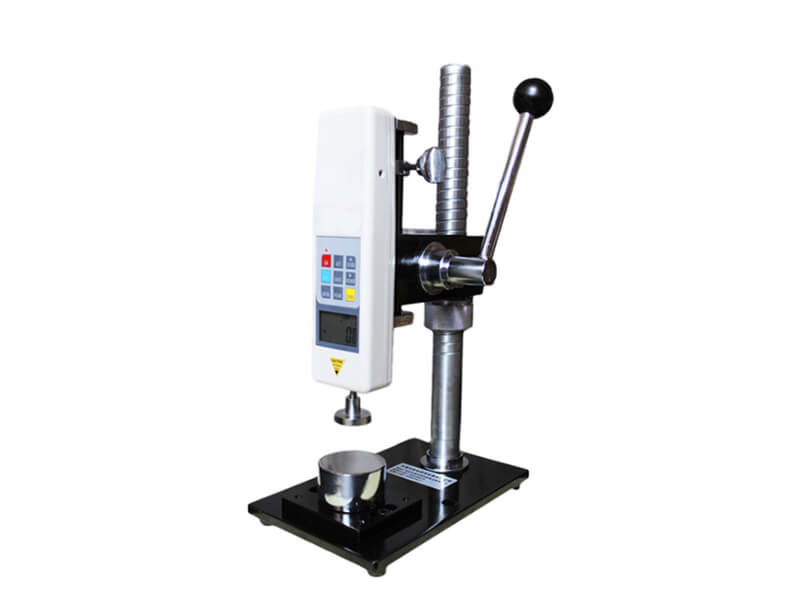

Safe products protect bodies, not just budgets. When a handle snaps, a brace deforms, or a child seat cracks, injury risk rises fast. Quality work begins with proof that materials tolerate the forces they will meet in daily use. Mechanical testing converts stress, stretch, and break patterns into figures that teams can track over time. With consistent methods, results stay comparable across shifts, suppliers, and production lots.
Why Mechanical Proof Matters
Quality control holds when strength and deformation are checked the same way each time. A minor change in thickness, resin ratio, or heat cycle can alter performance. Regular mechanical checks spot drift before field failures appear. Trend graphs also show whether controls remain stable over weeks, not just one shift. Clear acceptance limits reduce arguments during reviews, since pass or fail comes from recorded outcomes, not opinion. Documented limits also help teams explain choices to patients, users, and regulators, using plain numbers, not reassurance alone under pressure.
What a Testing Frame Measures
In daily lab work, a universal testing machine applies a controlled load while measuring travel, time, and peak force. Those readings produce stress and strain curves that reveal stiffness, yield, and fracture behaviour. Proper grips and fixtures keep alignment true, which limits side loads that distort data. Method files keep settings consistent, and reports support traceability during audits, recalls, or supplier investigations.
Key Metrics That Signal Quality
Tensile strength shows how much pull a sample tolerates before rupture. Yield point marks the start of permanent shape change. Elongation and area reduction describe ductility, which influences forming and impact tolerance. Compression results guide choices for foams, seals, and housings. Flexural data matters for panels and rails. Limits should reflect real duty cycles, temperature swings, and expected misuse. Field data from drop events, vibration exposure, and repeated loading help set thresholds that match injury prevention and service life.
How Standards Improve Comparability
Published test methods define specimen shape, loading rate, and conditioning steps. That shared approach lets one facility compare results with another lab or a vendor site. Careful sample prep lowers scatter, which narrows confidence limits for decisions. When documentation follows a standard format, audits move faster, and disputes resolve with fewer delays. For regulated goods, records also support lot-level traceability.
Supporting Smarter Material Selection
Early screening compares candidate materials under matching conditions, which speeds selection work. Curves show stiffness differences that can affect vibration, grip comfort, and noise. Fracture appearance may suggest brittle behaviour during cold exposure or after ageing. With repeatable data, design teams set realistic thickness targets instead of guessing. That restraint can reduce excess mass while keeping strength inside defined safety margins.
Process Control During Production
Routine sampling checks whether output stays inside control limits. If a run shows lower yield or reduced ductility, teams can review furnace profiles, cure timing, or moisture exposure. Quick feedback cuts scrap volume and rework hours. Statistical tracking of averages and spread helps separate random variation from a true shift that needs correction. Clear triggers keep responses consistent across supervisors.
Finding Defects Before Failures
Mechanical results can expose problems that visual checks miss. Weak bonding in laminates may present as early-layer separation. Poor weld quality can appear as a low peak load with unusual stretch. In moulded parts, internal voids can reduce strength even when the surface looks normal. Detecting these issues before shipment lowers warranty risk and supports user safety, especially for load-bearing assemblies.
Keeping Equipment Results Trustworthy
Calibration ties readings to recognised references, protecting data integrity. Grip wear and alignment checks reduce bending effects that skew curves. Routine verification using control specimens confirms that methods remain steady over time. Operator technique matters as well, since small handling differences add scatter. When reliability stays high, teams can act on results with confidence and document decisions clearly for clinical, consumer, or industrial safety files.
Conclusion
Mechanical verification supports product quality by turning performance questions into repeatable measurements. Data from load, travel, and failure behaviour guides material choice, process control, and early defect detection. Standard methods improve comparisons across sites and suppliers, while calibration maintains trust in every reading. When decisions rely on consistent evidence, risk falls, and corrective action becomes quicker, clearer, and easier to defend during audits or incident reviews.