
The modern career path is very different from what it was a few decades ago. People used to train for a single profession, join a company and stay in that role for many decades. In today’s world, industries are changing rapidly, technology is evolving constantly, and the job requirements are changing faster than traditional education systems. In this environment, lifelong learning continuously gaining new knowledge and skills throughout your life is no longer optional. This is the best way to remain competitive, flexible, and confident.
It does not mean that you have to go back to college and get a degree. Online courses, certifications and workshops can be part of lifelong learning. It is important to be committed to growth.
The job market is changing faster than ever
The speed of change on the job market is one of the most compelling reasons why lifelong learning is so important. The digital transformation has touched nearly all professions. Tools, platforms and processes that were advanced just a few short years ago, can quickly become standard or even obsolete.
Marketing professionals, for example, must be able to understand the changing algorithms of social media, data analytics and AI-assisted tools. Finance professionals are increasingly required to have knowledge about automation, data security, and digital banking. Teachers and trainers will be expected to use digital classroom tools and learning technologies. Even manufacturing and trade roles require more advanced software, machinery, and safety standards.
Your skills may become obsolete over time if you stop learning. You can stay up-to-date with industry standards by pursuing lifelong learning.
You are protected against automation and disruption by lifelong learning
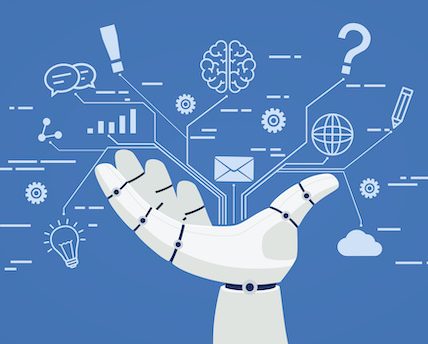
Automation and artificial intelligent are changing the way work is done. Software can now handle many routine tasks, such as data entry, customer service, reporting and scheduling. Technology can reduce certain tasks but it can also create new roles, increase demand for human-centered service providers, and solve complex problems.
Learn more about lifelong learning.
- Reskill yourself into a new role when your current tasks are automated.
- Upskilling to work with new tools, rather than compete against them.
- Build unique human strengths like leadership, creativity and emotional intelligence.
Continuous learning allows you to embrace change instead of being afraid.
For Career Growth, you Need to Upgrade Your Skills Constantly
Experience is not the only factor that determines career advancement. Employers are looking for results and those results are dependent on the skills needed to take the next step in responsibility. A lifelong learner who actively develops the skills needed for leadership roles and specialized roles becomes more promoteable.
To move from a junior to a senior position, for example, requires better planning, problem solving, and decision making. As you move into management, you may need to develop coaching skills, resolve conflicts, and evaluate performance. Certifications or updated training may be required to move into higher-paying technical roles.
You can grow deliberately by pursuing lifelong learning, rather than waiting to feel “stuck”, or lagging behind. This also sends an important message to employers that you are proactive, flexible, and committed to your professional development.
The benefits of Lifelong Learning
You feel more confident in your job when you have current skills. You will be able to participate in meetings confidently, offer new ideas and tackle challenging tasks without feeling overwhelmed. You can also reduce the anxiety associated with change by learning.
This confidence leads to professional independence. Lifelong learners who are independent can:
- When needed, teach yourself new tools.
- Solve problems faster
- Identify gaps in knowledge and fill them as soon as possible.
Employees who are self-motivated and willing to learn stand out in many workplaces.
This opens the door to new opportunities and career shifts
Career paths today are not always straight-lined. Many people switch industries, specialize in new fields, or create side careers. These transitions are made possible by lifelong learning, which allows you to gradually gain the knowledge required for a different direction.
As an example:
- Customer service representatives can move from customer service to sales or account management by learning CRM tools and communication strategies.
- Teachers can switch from teaching to corporate training and e-learning.
- Administrative workers can become proficient in spreadsheets, basic data analysis and reporting. They may then transition into analytics or operations support.
This shift is often achieved in small steps – one course, one certificate, one portfolio project – rather than a major change.
Networking and learning often go together
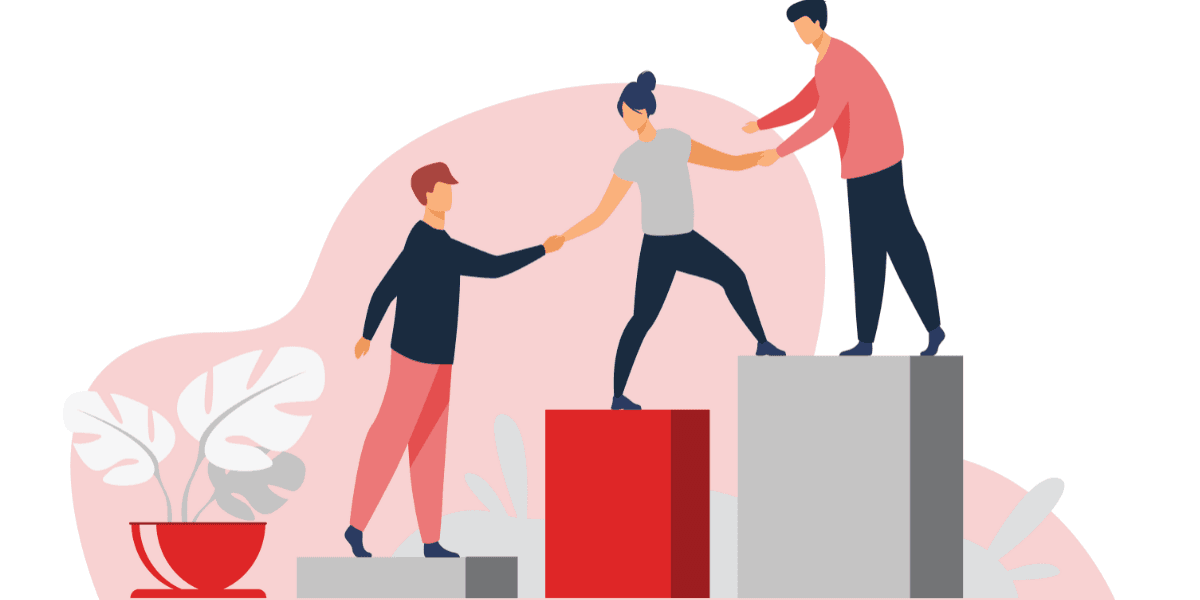
You can improve your career by learning frequently. This will put you in touch with professionals, instructors, peers and mentors in your field. Workshops, conferences, online communities and certification programs will expand your network, exposing you to new job opportunities.
You gain valuable insight into the latest industry trends and practices when you work with others. This builds your professional identity over time and makes you more visible in your field.
The Personal Brand Strengthens with Lifelong Learning
Your reputation is important in a highly competitive job market. Employers and customers value those who are up-to-date with their knowledge and demonstrate growth. Your personal brand is strengthened by lifelong learning because it shows curiosity, discipline and ambition.
You can also use it to build your proof of competency:
- certificates,
- portfolios,
- Completed projects
- Documented skills and achievements
This proof is useful for performance reviews, interviews, job promotions and career transitions.
Conclusion
Adaptability is rewarded in the modern world, so lifelong learning is crucial for career advancement. The technology, market demands, and job roles are all evolving. The most successful professionals are those who adapt to these changes. You can increase your chances of employment and protect your employability by constantly developing new skills, improving your confidence and staying up to date in your field.
Lifelong learning isn’t just about keeping your job. It is also about being capable, current, and prepared for the next stage in your career.