How Technology Is Changing the Classroom Experience for Students and Teachers

The use of technology has become an integral part of education in the modern world. It not only transforms what students learn, but also how they are taught and by whom. Digital tools, from interactive smartboards and AI-powered platforms to classroom routines and communication, are changing the way students learn, teachers communicate, assess, and have access to resources. Although technology may not be able to solve all educational challenges, it has undoubtedly changed the classroom experience. It is now more flexible, personalized, and collaborative than ever.
Here are some of today’s most important ways that technology influences daily learning, both for students and teachers. We also discuss the benefits and challenges.
Students Get More Personalized Learning
The ability to customize learning for different skill levels and needs is one of the biggest changes that technology has brought.
Adaptive learning platforms and progress tracking
In many classrooms, learning platforms and apps are used that adapt difficulty to student performance. The system can offer extra practice, videos or simplified explanations if a student is struggling with a particular concept. It can also offer more challenging tasks if they are making rapid progress. It reduces “one size fits all” and allows students to learn at their own pace.
Analytics are also available to teachers. Instead of relying on only tests or homework check-ins, educators can view real-time data to see who is falling behind and who is excelling. They can also identify which topics cause the most confusion. This data allows for more targeted instruction and more timely interventions.
Supporting Diverse Learning Styles with Flexible Support
The way students learn is different. They can be visual, auditory or tactile, or they can read and write. This diversity is supported by technology through video, simulations and audiobooks. Interactive quizzes and digital graphic organizers are also available. Assistive technologies, such as screen readers, closed captions or text-to speech, can make a huge difference for students with special needs. They will be able to participate more confidently and fully.
Increased Student Engagement through Interactive Tools
The technology in many classrooms has changed the students’ role from passive listeners into active participants.
Smartboards and Tablets with Interactive Content
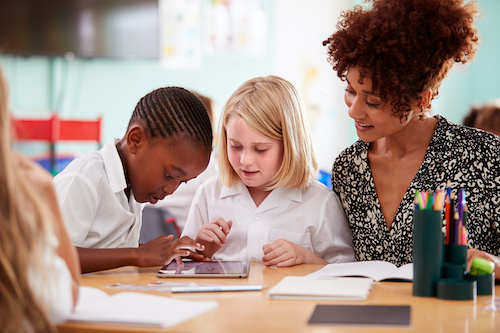
Teachers can present lessons more dynamically with smartboards or classroom tablets. They can highlight key concepts, add annotations to diagrams, use multimedia, and bring abstract topics alive. Students in history and science can use digital maps or archived footage to analyze historical events. These tools make learning more interesting and accessible, especially for difficult or unfamiliar topics.
Gamification and Motivation for Learning
Through points, badges and leaderboards as well as instant feedback, educational games and quizzes that are “gamified” can motivate students. Gamification, when used intelligently, can transform review sessions into challenging challenges instead of repetitive tasks. Gamification can encourage students to participate who may be reluctant in the traditional classroom discussion.
Improved communication between teachers, students, and parents
The technology has improved communication and made it easier for students to receive consistent support.
Learning Management Systems and Classroom Platforms
Platforms like Google Classroom, Canvas or Microsoft Teams allow you to organize all your lessons, assignments and grades in one place. Students can easily access instructions, submit their work digitally and view feedback from teachers without having to lose important updates or papers.
Teachers can streamline communication in the classroom by posting schedules, reminders and resources online. This saves time and reduces confusion–especially in classes where students are juggling multiple subjects and deadlines.
Parents’ involvement is more transparent
Many systems let parents view teacher messages, grades, assignment deadlines and attendance. This transparency helps families to support learning at school and identify problems earlier. It can also be used to create pressure, but in most cases, it helps strengthen the relationship between school and home.
Quicker and more flexible assessment and feedback
The technology has transformed the way teachers and students evaluate their learning.
Digital Quizzes with Instant Results, Auto-Grading and Instant Results
Students can learn quickly from their mistakes when they use online quizzes or auto-graded assessments. Auto-grading allows teachers to spend less time on repetitive marking, and instead focus on more important tasks, such as lesson planning and student support.
Learn how to demonstrate learning in new ways
Students can demonstrate their understanding of concepts through multimedia projects, digital presentations, podcasts, blogs and video explanations. This is especially useful for students who have difficulty with traditional tests but excel at creative or verbal formats.
Additional Resources Beyond Textbooks
The technology has enabled students to access a wide range of perspectives and information.
Online Libraries, Open Educational Resources and Virtual Tours
Students can access free educational content, such as databases and digital libraries, from museums and universities. Virtual field trips, 360-degree tours, and other immersive experiences allow students to visit places that they might not have been able to see in person. Examples include historical landmarks, science laboratories, or art galleries. This allows classroom learning to be expanded beyond local limits and connects lessons with real-life experiences.
Global Collaboration and Real-Time Learning
Students can collaborate with their peers in classrooms, schools and even across countries using video conferencing platforms. Students can work together on documents shared, take part in virtual debates or listen to guest speakers from afar. Communication skills and cultural understanding are two qualities that are increasingly important for modern careers.
The role of teachers is changing, but not disappearing
It is a common misconception that technology will replace teachers. In reality, however, the role of teachers has changed, not been eliminated.
From Lecturer to Facilitator, Coach
Teachers are increasingly focusing on helping students learn, as information is readily available. They ask deeper questions, encourage critical thinking, support teamwork and help students evaluate credible sources. The teacher is still essential to provide structure, motivation and emotional support.
Time-saving tools for planning and organization
Teachers can also benefit from digital tools for lesson planning, resource libraries and AI-assisted writing support, whether it is for quizzes, differentiated activities, rubrics or other forms of assessment. These tools, when used properly, reduce administrative work and allow teachers to spend time with students.
Screen Time, Digital Equity, and Distraction are Challenges
Technology is a great tool for educators, but it can also present challenges.
Focus and Distraction Management
Students can be easily distracted by games, messages, and websites that are not related. Schools have responded with digital citizenship classes, clear expectations in the classroom, and monitoring tools. Modern education is still a vital part of teaching students to self-regulate and focus.
Digital Divide and Access Inequality
Some students do not have access to reliable internet or devices at home. This “digital gap” can worsen the educational inequality, if schools heavily rely on online work and do not provide support. Loaner devices, offline options for learning, community Wi-Fi initiatives and creating assignments that don’t penalize students due to limited access are all possible solutions.
Privacy and Online Security
Schools should also consider data privacy, cyber security, and safe online behaviour. Students must be taught how to protect personal information, recognize misinformation and interact respectfully on the internet. Teachers and administrators need to choose platforms that adhere to privacy regulations and follow secure practices.
Conclusion
The technology in the classroom is changing how learning takes place. It makes it more interactive, personalized and accessible. It expands resources and provides new ways for students demonstrate their understanding. It also introduces new challenges, such as distraction, unequal accessibility, and privacy concerns, which require thoughtful policies and responsible usage.
When used in conjunction with strong teaching methods and clear goals, technology becomes more than just a trend. It becomes a powerful tool that helps teachers to teach better while helping students learn ways that are appropriate for the world into which they will grow.